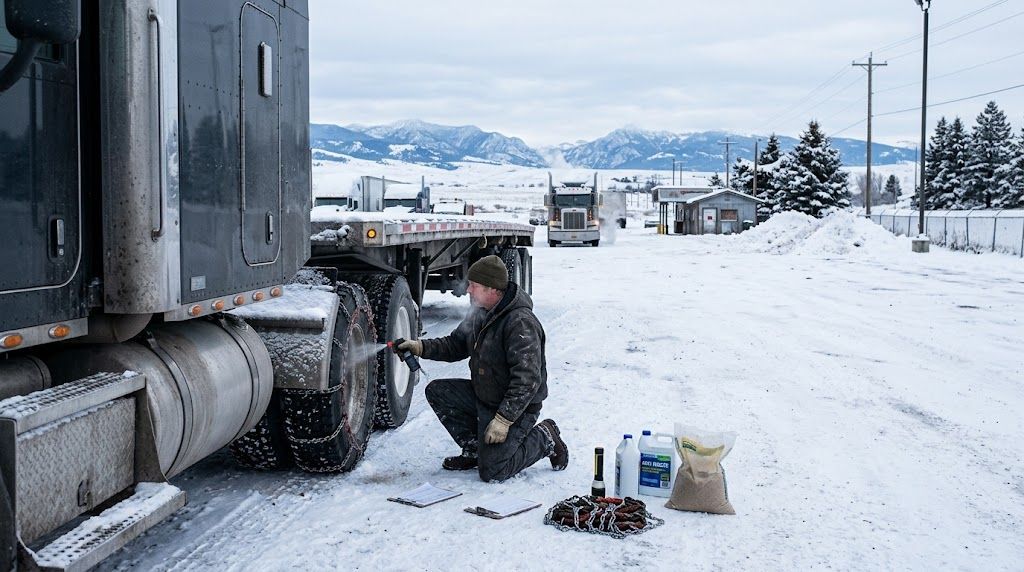
How to Prepare Your Truck for Long Hauls Across Montana
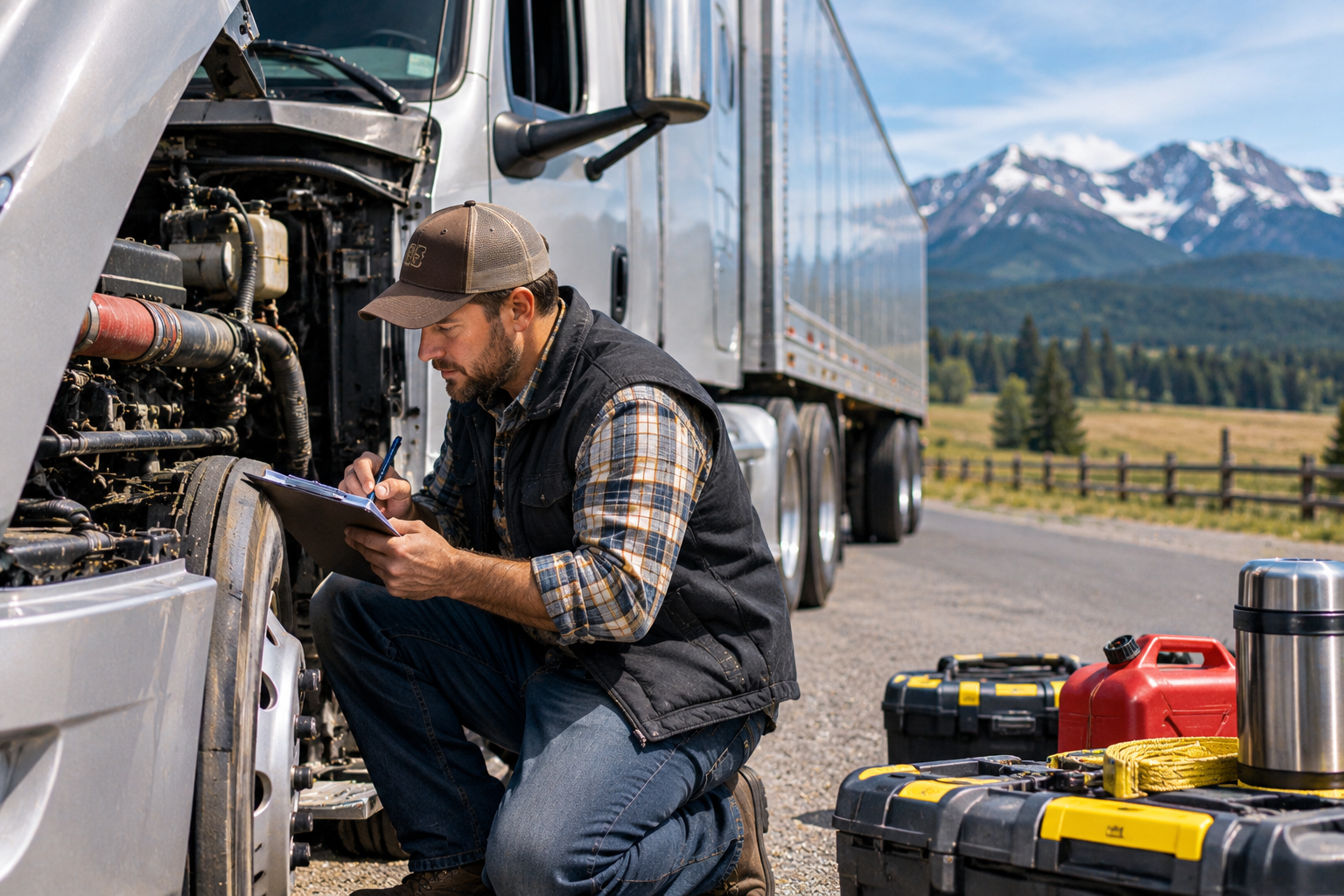
Long-haul trucking demands more from a vehicle than short local routes. Trucks traveling across Montana often face hundreds of miles of open highway, changing elevations, extreme temperatures, strong winds, and remote stretches where repair facilities may be few and far between. Proper preparation before a long trip helps improve reliability, supports driver confidence, and reduces the likelihood of unexpected mechanical issues along the route.
Whether you're an owner-operator or managing a commercial fleet, following a thorough maintenance and inspection routine before heading out can help ensure your truck is ready for the miles ahead.
Why Pre-Trip Preparation Matters
Every component of a commercial truck experiences stress during long-distance travel.
Extended highway operation can place demands on:
- Engine systems
- Cooling systems
- Tires
- Suspension components
- Braking systems
- Electrical systems
- Fuel delivery systems
Identifying potential issues before departure allows drivers to address concerns before they become roadside problems.
Start with a Comprehensive Vehicle Inspection
One of the most important steps before any long haul is performing a complete vehicle inspection.
A thorough inspection helps identify:
- Fluid leaks
- Tire wear
- Electrical issues
- Loose components
- Damaged hoses
- Belt wear
- Warning lights
Professional inspections provide an additional level of confidence before lengthy trips.
Check Engine Oil and Fluids
Fluids are essential for proper truck operation.
Before a long haul, inspect:
Engine Oil
Verify oil levels and ensure scheduled oil services are up to date.
Coolant
Check coolant condition and confirm levels meet manufacturer recommendations.
Transmission Fluid
Inspect fluid levels and look for signs of contamination.
Power Steering Fluid
Verify proper levels and inspect for leaks.
Differential Fluids
Ensure driveline components are properly lubricated.
Proper fluid maintenance helps support reliable operation during extended travel.
Inspect the Cooling System
Cooling system performance becomes especially important during long highway trips.
The cooling system should be inspected for:
- Coolant leaks
- Worn hoses
- Damaged clamps
- Radiator concerns
- Water pump issues
Because Montana weather conditions can change rapidly, cooling system reliability is essential year-round.
Evaluate Tire Condition
Tires play a major role in safety, handling, and overall performance.
Check Tread Depth
Adequate tread helps maintain traction in changing weather conditions.
Inspect Tire Pressure
Verify pressures meet manufacturer recommendations.
Look for Damage
Inspect for:
- Cuts
- Cracks
- Bulges
- Uneven wear
Examine Dual Tires
Ensure both tires in dual-wheel assemblies are properly maintained.
Regular tire inspections should be part of every pre-trip routine.
Test the Battery and Charging System
Long-distance routes often rely on dependable electrical performance.
Inspect:
- Battery terminals
- Charging output
- Cable connections
- Ground points
A weak battery may not show obvious symptoms until operating conditions become more demanding.
Verify Lighting and Visibility Systems
Visibility is critical during long hauls.
Inspect all lighting systems, including:
- Headlights
- Brake lights
- Turn signals
- Marker lights
- Trailer lights
Also inspect:
- Windshield wipers
- Washer fluid
- Mirrors
- Defrosters
Clear visibility contributes to safer operation during changing weather conditions.
Inspect the Fuel System
Fuel system reliability is essential for uninterrupted performance.
Before departure, evaluate:
- Fuel filters
- Fuel lines
- Water separators
- Fuel tank condition
Addressing fuel system concerns before travel helps reduce the risk of performance issues on the road.
Check Suspension Components
Montana highways, rural roads, and varying terrain can place significant stress on suspension systems.
Inspect:
- Springs
- Bushings
- Shocks
- Mounting hardware
Signs of suspension wear should be addressed before extended travel.
Evaluate Brake Performance
Brake inspections should always be part of long-haul preparation.
Inspect:
- Brake pads
- Brake shoes
- Rotors
- Drums
- Air system components
- Brake chambers
Reliable braking performance is critical during mountain grades and adverse weather conditions.
Review Diagnostic Warning Lights
Modern trucks contain advanced monitoring systems that provide valuable information about vehicle health.
If warning lights are present:
- Investigate the cause
- Perform diagnostics
- Address active faults
Ignoring warning indicators can allow minor issues to develop into larger concerns.
Pack Essential Safety Equipment
Every long-haul truck should carry emergency and safety supplies.
Recommended items include:
- Reflective triangles
- Flashlight
- First aid kit
- Spare fuses
- Basic tools
- Gloves
- Phone charger
- Emergency contact information
Proper preparation helps drivers respond effectively if unexpected situations occur. Commercial drivers should also ensure they comply with safety regulations set by the Federal Motor Carrier Safety Administration.
Monitor Weather Conditions
Montana weather can change rapidly, especially during winter and spring months.
Before departure:
- Review forecasts
- Check road conditions
- Monitor travel advisories
Being informed helps drivers prepare for changing conditions along the route. For real-time travel advisories and highway updates, drivers can consult the Montana Department of Transportation.
Listen for Unusual Noises
Drivers often detect problems before warning lights appear.
Pay attention to:
- Engine noises
- Suspension sounds
- Brake noises
- Driveline vibrations
- Steering concerns
Any unusual symptom should be investigated before beginning a long trip.
Benefits of Preventive Maintenance for Long-Haul Trucks
Routine maintenance helps support:
- Reliability
- Consistent performance
- Driver confidence
- Equipment longevity
- Improved route readiness
Preventive maintenance remains one of the most effective ways to prepare trucks for extended operation.
Montana Long-Haul Challenges
Truck operators throughout northeastern Montana frequently encounter:
- Long distances between service locations
- Seasonal weather extremes
- Strong winds
- Remote roadways
- Heavy hauling demands
These conditions make thorough pre-trip inspections especially important.
Drivers traveling through Glasgow, Wolf Point, Malta, Hinsdale, Nashua, Saco, and surrounding communities benefit from proactive maintenance and preparation.
Frequently Asked Questions
What should I inspect before a long-haul trip?
Drivers should inspect fluids, tires, brakes, suspension, cooling systems, batteries, lighting, and safety equipment.
Why is cooling system maintenance important for long trips?
A properly functioning cooling system helps maintain safe engine temperatures during extended operation.
How often should tires be checked?
Tires should be inspected before every trip and monitored regularly throughout the journey.
What warning signs should be addressed before a long haul?
Warning lights, fluid leaks, unusual noises, vibrations, starting issues, and performance concerns should all be investigated.
Why are pre-trip inspections important?
Pre-trip inspections help identify developing issues before they affect reliability on the road.
Get Your Truck Road-Ready with Thompson & Sons Inc.
Prepare for your next long haul with reliable truck inspections, diesel repair, diagnostics, and preventive maintenance from Thompson & Sons Inc. We proudly serve Glasgow, Wolf Point, Malta, and surrounding Montana communities.
Schedule your pre-trip inspection today and hit the road with confidence!
Recent Posts