
Winterizing Your Semi Truck: A Montana Driver's Checklist
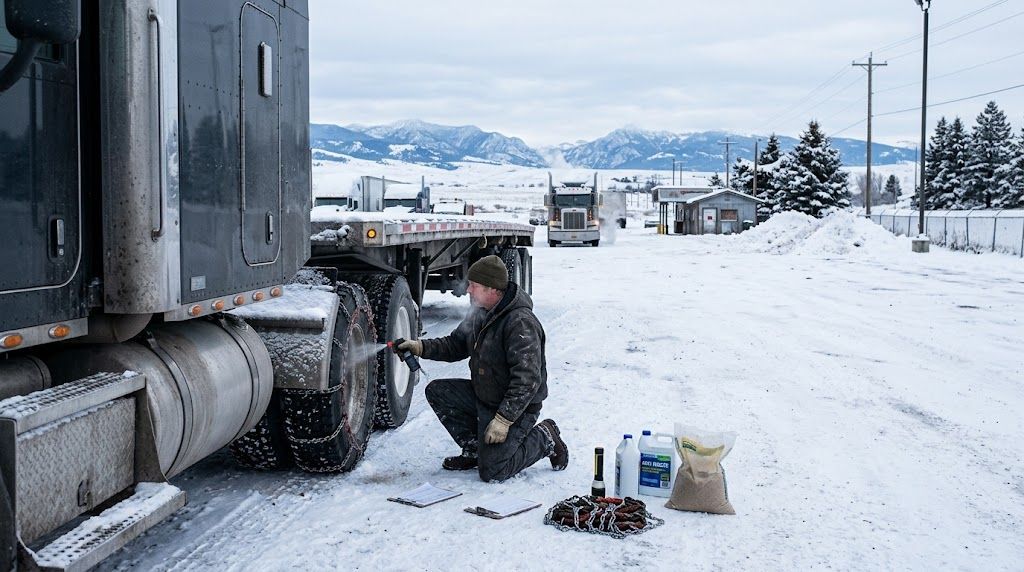
Winter in Montana presents unique challenges for commercial truck drivers. Freezing temperatures, snow-covered highways, ice, strong winds, and rapidly changing weather conditions can put additional stress on both drivers and equipment. Proper winter truck maintenance helps ensure your semi truck remains dependable, safe, and ready for long hauls throughout Glasgow, Wolf Point, Malta, Nashua, Hinsdale, Saco, Valley County, and surrounding communities.
Preparing your truck before severe winter weather arrives is one of the best ways to avoid unexpected mechanical issues and maintain reliable performance throughout the season.
Why Winter Preparation Matters
Cold weather affects nearly every major truck system.
Winter conditions can impact:
- Batteries
- Cooling systems
- Fuel systems
- Tires
- Brakes
- Electrical systems
- Air systems
- Engine performance
A truck that performs well during warmer months may face additional challenges once temperatures drop below freezing.
Routine inspections and preventive maintenance help ensure your truck is ready for Montana's winter conditions.
Start With a Complete Preventive Maintenance Inspection
Before winter arrives, schedule a comprehensive inspection of critical systems.
A professional winter inspection can identify:
- Worn components
- Fluid concerns
- Battery issues
- Cooling system weaknesses
- Tire wear
- Electrical system problems
Addressing concerns before severe weather arrives helps improve reliability during the busiest winter months.
Check Your Battery System
Cold temperatures place additional demands on truck batteries.
A weak battery that performs adequately during mild weather may struggle during winter starts.
Battery Inspection Checklist
- Test battery voltage
- Inspect battery terminals
- Clean corrosion
- Verify cable connections
- Check charging system performance
If battery performance appears questionable, further testing may be necessary before winter conditions worsen.
Inspect the Cooling System
Many drivers associate cooling systems with summer temperatures, but they are equally important during winter.
The cooling system helps regulate engine temperature year-round.
Key Areas to Inspect
- Coolant levels
- Coolant condition
- Hoses
- Clamps
- Water pump
- Radiator
Proper coolant protection is especially important in freezing temperatures.
Evaluate Your Tires
Tires play a major role in winter traction and vehicle control.
Winter Tire Inspection Checklist
- Measure tread depth
- Check tire pressure
- Inspect for damage
- Verify even wear patterns
- Examine sidewalls
Cold temperatures can cause tire pressure to drop, making regular inspections essential throughout winter.
Examine the Braking System
Winter roads often require longer stopping distances and increased braking control.
Brake inspections should include:
- Brake pads
- Brake shoes
- Rotors
- Drums
- Air system components
- Brake chambers
Reliable braking performance is critical when navigating snow and ice-covered roads.
Service the Fuel System
Diesel fuel can behave differently in cold weather.
Winter fuel system maintenance should include:
Fuel Filter Inspection
Clean fuel filters help maintain proper fuel flow.
Water Separator Service
Removing water helps reduce fuel system concerns during freezing conditions.
Fuel System Evaluation
Inspecting pumps, injectors, and fuel lines helps support dependable performance throughout winter.
Verify Engine Heater Operation
Block heaters can make cold-weather starts significantly easier.
Drivers should test block heaters before temperatures become extreme.
Inspect
- Power cords
- Connections
- Heater operation
- Electrical outlets
Confirming proper operation early helps prevent cold-start issues later.
Inspect Belts and Hoses
Cold weather can accelerate deterioration in rubber components.
Inspect for:
- Cracking
- Fraying
- Hardening
- Swelling
- Wear
Belts and hoses should be replaced when signs of deterioration are present.
Check the Charging System
A healthy charging system is essential for winter reliability.
Components to evaluate include:
- Alternator
- Battery cables
- Ground connections
- Electrical connectors
Proper charging system performance helps support lighting, heating, communication systems, and engine operation.
Test Exterior Lighting
Winter conditions often reduce visibility.
Reliable lighting is critical for safe operation.
Inspect
- Headlights
- Brake lights
- Turn signals
- Marker lights
- Trailer lighting
Replace damaged bulbs and repair wiring issues before winter travel begins.
Prepare the Air System
Moisture within air brake systems can create problems during freezing temperatures.
Routine service may include:
- Air dryer inspections
- Moisture removal
- Air line inspections
- Leak testing
Proper air system maintenance helps support dependable brake performance.
Inspect Windshield Wipers and Washer Systems
Visibility is essential during winter storms.
Check
- Wiper blade condition
- Washer fluid levels
- Spray nozzle operation
- Defroster performance
Use winter-rated washer fluid designed for freezing temperatures.
Assemble a Winter Emergency Kit
Every truck should carry winter emergency supplies.
Recommended items include:
- Flashlight
- Extra batteries
- Warm clothing
- Gloves
- Ice scraper
- Snow brush
- Reflective triangles
- First aid kit
- Phone charger
- Bottled water
A well-stocked emergency kit provides additional preparedness during unexpected weather events.
Monitor Tire Pressure Throughout Winter
Temperature fluctuations can affect tire pressure frequently.
Drivers should:
- Check pressure regularly
- Follow manufacturer recommendations
- Inspect before long trips
Proper inflation supports handling, traction, and tire performance.
Watch for Signs of Winter-Related Problems
Drivers should remain alert for:
- Slow starting
- Battery warnings
- Coolant leaks
- Reduced heater performance
- Fuel delivery issues
- Electrical concerns
- Brake system abnormalities
Early detection allows problems to be addressed before they affect operations.
Montana Winter Driving Challenges
Truck operators throughout northeastern Montana often encounter:
- Snow-covered roads
- Black ice
- High winds
- Subzero temperatures
- Rapid weather changes
These conditions place additional demands on trucks and make preventive maintenance especially important.
Drivers serving Glasgow, Wolf Point, Malta, Hinsdale, Nashua, Saco, and surrounding areas should prepare their equipment before winter weather arrives.
Frequently Asked Questions
When should I start winterizing my truck?
Ideally, winter preparation should begin before temperatures consistently fall below freezing.
Why are batteries more likely to fail in winter?
Cold temperatures reduce battery performance and increase the power required for engine starting.
How often should tires be checked during winter?
Tire pressure and condition should be inspected regularly, especially during periods of significant temperature fluctuation.
Is coolant important during winter?
Yes. Coolant helps prevent freezing, protects engine components, and supports proper temperature regulation.
What should be included in a winter emergency kit?
A winter emergency kit should include safety equipment, warm clothing, communication supplies, and basic emergency necessities.
Prepare for Winter with Thompson & Sons Inc.
Montana winters can be demanding on both drivers and equipment. Taking the time to inspect, service, and prepare your truck before severe weather arrives can help improve reliability and confidence on the road.
Thompson & Sons Inc. proudly provides diesel repair, preventive maintenance, diagnostics, suspension service, transmission repair, towing, and heavy-duty truck support throughout Glasgow, Wolf Point, Malta, Nashua, Hinsdale, Saco, Valley County, and surrounding Montana communities.
Contact Thompson & Sons Inc. today to schedule a winter maintenance inspection and make sure your truck is ready for the season ahead.
Recent Posts