
Signs Your Truck's Cooling System Needs Immediate Attention
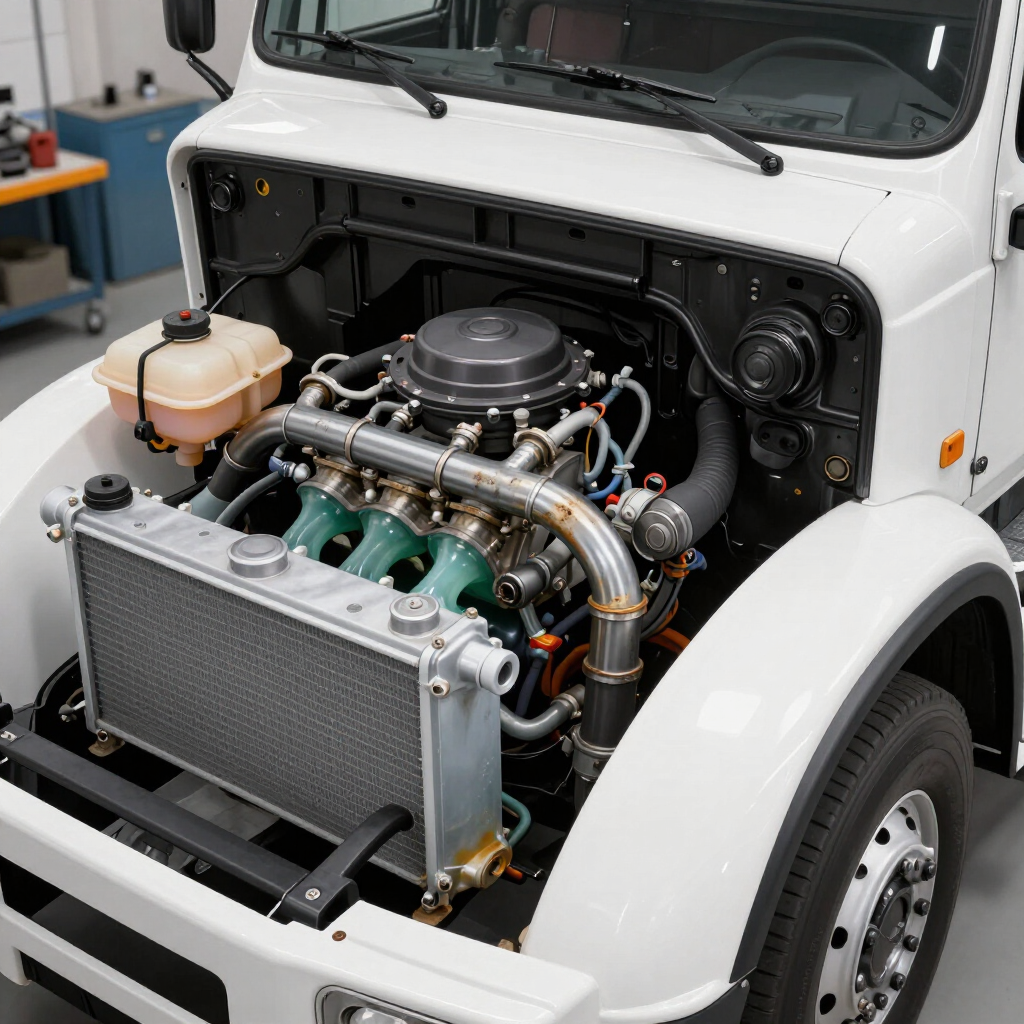
Rising engine temperatures, coolant leaks, steam, frequent coolant loss, and warning lights are all signs your truck’s cooling system may need immediate attention. Catching these problems early can help prevent overheating, unexpected downtime, and more extensive engine repairs.
For truck owners and fleet operators in Glasgow and surrounding Montana communities, knowing what to watch for can make the difference between scheduling a repair and dealing with a breakdown on the road.
7 Signs Your Truck May Need Cooling System Repair
Cooling system problems often develop gradually. If you notice any of the following symptoms, it may be time to have your truck inspected.
1. Engine Temperature Is Running Higher Than Normal
A rising temperature gauge is one of the clearest signs of a cooling system problem.
Pay attention to:
- Higher-than-normal operating temperatures
- Sudden temperature spikes
- Overheating while hauling
- Rising temperatures during extended idling
Your truck does not have to fully overheat for there to be a problem. A consistent change from its normal operating temperature is worth investigating.
2. Coolant Is Leaking or Frequently Running Low
Coolant leaks can develop around radiators, hoses, clamps, water pumps, reservoirs, and fittings.
Common signs include:
- Puddles beneath the truck
- Coolant residue around components
- Low coolant warnings
- Frequent coolant refills
- A sweet smell near the engine
If coolant keeps disappearing, simply topping it off does not address the underlying problem. Finding the source of the leak early can help prevent overheating later.
3. You See Steam From the Engine Compartment
Steam from under the hood is a warning that should not be ignored. It may indicate overheating or coolant escaping onto hot engine components.
If steam appears or the temperature reaches an unsafe level, stop the truck safely when possible and arrange for an inspection. Continuing to operate an overheating engine can lead to more serious damage.
4. The Truck Overheats Under Heavy Loads
Some cooling system problems only become obvious when the engine is working harder.
You may notice temperatures climbing during:
- Heavy hauling
- Long grades
- Extended highway operation
- Hot summer weather
A truck that stays within normal temperature ranges during light use but runs hot under load may have reduced cooling capacity that requires diagnosis.
5. Cooling System Hoses Look Worn or Damaged
Cooling hoses operate under constant heat and pressure while also dealing with vibration from everyday truck operation.
Inspect hoses for:
- Cracks
- Bulges
- Soft spots
- Hard or brittle areas
- Coolant residue
Replacing a deteriorating hose before it fails is far easier than dealing with sudden coolant loss on the road.
6. You Notice Unusual Smells
A sweet smell may indicate leaking coolant, while hot or burning odors around the engine compartment can accompany overheating or fluid reaching heated components.
New or unexplained odors should be investigated, especially when they occur alongside rising temperatures or coolant loss.
7. Cooling System or Temperature Warning Lights Appear
Modern commercial trucks rely on sensors to monitor engine temperature and coolant conditions.
A warning light may indicate:
- Low coolant
- Excessive engine temperature
- Sensor problems
- Cooling system malfunctions
Warning lights should be diagnosed promptly rather than cleared or ignored without determining the cause.
What Happens During a Truck Cooling System Inspection?
Professional diagnostics help determine why the cooling system is struggling instead of simply treating the visible symptom.
Depending on the truck and problem, technicians may inspect:
- Coolant level and condition
- Radiator condition and airflow
- Hoses, clamps, and fittings
- Water pump operation
- Thermostat function
- Cooling fan operation
- Belts and related components
- External or internal coolant leaks
Pressure testing and additional diagnostics may also be recommended when the source of a leak or overheating problem is not immediately visible.
When Should You Stop Driving an Overheating Truck?
Stop driving when the engine reaches an unsafe temperature, steam appears, or warning indicators suggest severe overheating. Continuing to operate the truck can increase the risk of engine damage.
Move to a safe location when possible and arrange for professional service. Never remove a radiator or coolant reservoir cap while the system is hot and pressurized, as hot coolant can cause serious burns.
Why Cooling System Maintenance Matters in Montana
Trucks operating throughout Glasgow, Wolf Point, Malta, Nashua, Hinsdale, Saco, and Valley County face demanding conditions throughout the year.
Heavy loads, long-distance routes, dusty roads, summer heat, and major seasonal temperature changes can place additional stress on cooling system components.
Drivers and fleet operators can reduce the risk of cooling-related breakdowns by checking coolant levels, watching engine temperatures, inspecting for visible leaks, and addressing changes in performance as soon as they appear.
Frequently Asked Questions
What are the first signs of a truck cooling system problem?
Common early signs include higher engine temperatures, coolant loss, visible leaks, unusual smells, temperature fluctuations, and dashboard warning lights.
What causes a diesel truck to overheat?
Possible causes include low coolant, leaks, restricted radiator airflow, damaged hoses, water pump problems, thermostat failure, or cooling fan issues. Proper diagnostics are needed to determine the exact cause.
Can I keep driving if my truck is overheating?
Continuing to drive an overheating truck can increase the risk of engine damage. If temperatures become unsafe or steam appears, stop in a safe location when possible and have the truck inspected.
How often should a truck's cooling system be inspected?
Cooling system checks should be part of regular preventive maintenance. An inspection should also be scheduled whenever you notice coolant loss, leaks, unusual temperature readings, or overheating.
Schedule Truck Cooling System Repair in Glasgow, MT
Cooling system problems can turn into roadside downtime quickly. If your truck is running hotter than normal, losing coolant, leaking, or showing other warning signs, getting the problem diagnosed early can help protect your engine and keep your truck working.
Thompson & Sons Inc. serves truck owners and fleets throughout Glasgow, Wolf Point, Malta, Nashua, Hinsdale, Saco, Valley County, and surrounding Montana communities. Learn more about our
Diesel Repair Services or
contact Thompson & Sons Inc. today to schedule a cooling system inspection.
Recent Posts