Why Fleet Downtime Disrupts Operations and How Maintenance Helps
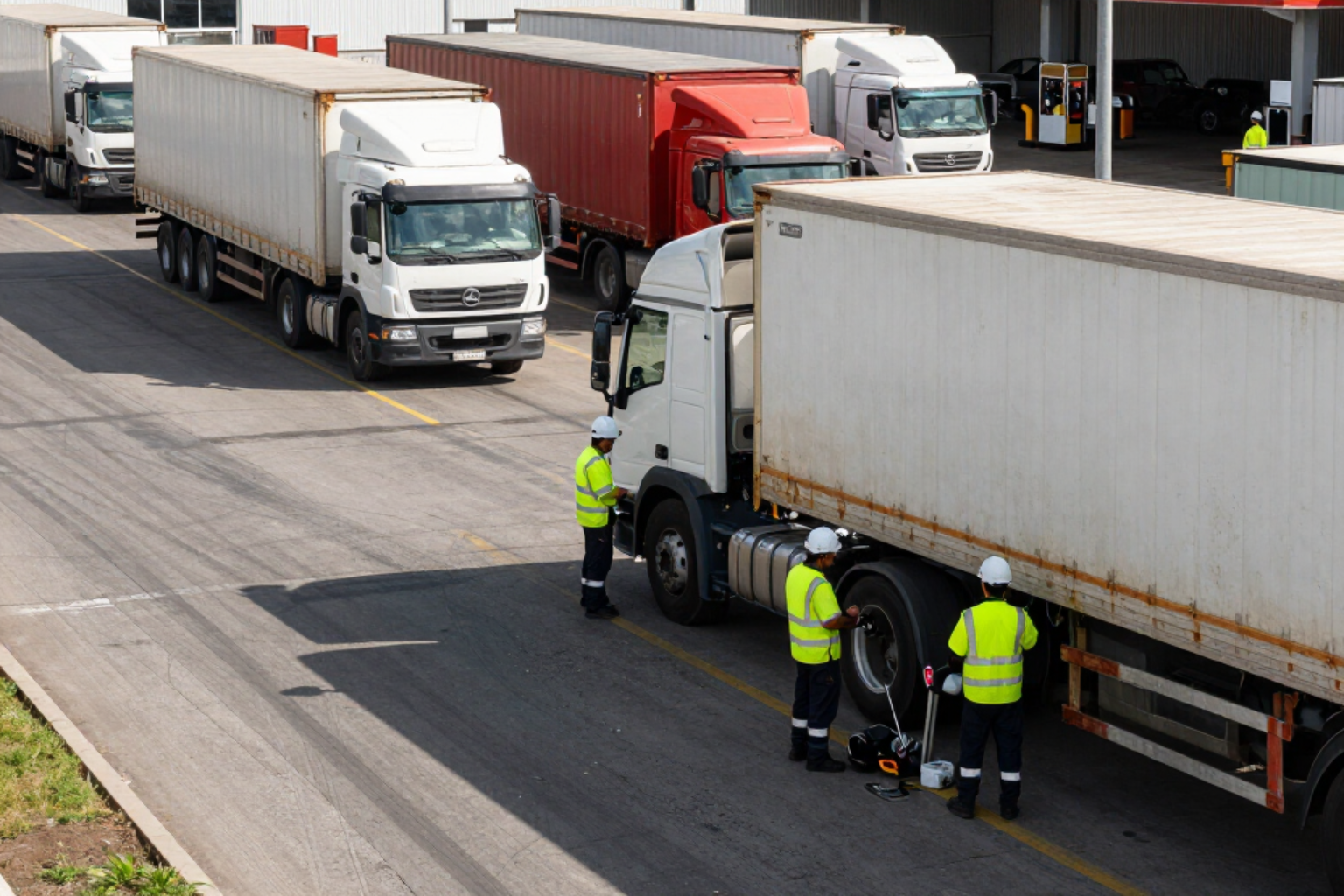
For trucking companies, every vehicle plays an important role in daily operations. When a truck is unavailable due to mechanical issues, maintenance delays, or unexpected breakdowns, schedules become more difficult to manage. Deliveries may need to be adjusted, routes reassigned, and drivers may experience interruptions that affect productivity.
While some downtime is unavoidable, a proactive maintenance strategy can help reduce unexpected disruptions and improve overall fleet reliability. For fleet operators throughout Glasgow, Wolf Point, Malta, Nashua, Hinsdale, Saco, Valley County, and surrounding Montana communities, preventive maintenance remains one of the most effective tools for keeping trucks ready for the road.
What Is Fleet Downtime?
Fleet downtime refers to any period when a truck is unavailable for normal operation.
Downtime can occur because of:
- Mechanical failures
- Scheduled maintenance
- Diagnostic inspections
- Parts replacement
- Electrical issues
- Engine problems
- Transmission concerns
- Suspension repairs
The goal for fleet managers is not to eliminate maintenance but to minimize unexpected interruptions through proper planning and routine service.
Why Reliability Matters for Fleet Operations
Commercial trucking depends on consistency.
Reliable equipment helps support:
- On-time deliveries
- Route scheduling
- Driver productivity
- Operational efficiency
- Customer satisfaction
When trucks are regularly inspected and maintained, they are better prepared to handle demanding workloads and changing operating conditions. Industry organizations such as the American Trucking Associations also provide resources and information relevant to trucking operations, safety, and the broader commercial transportation industry.
Common Causes of Fleet Downtime
Many unexpected service interruptions can be traced back to a few common issues.
Engine Problems
Diesel engines experience significant wear over time.
Potential concerns include:
- Cooling system issues
- Fuel system problems
- Sensor failures
- Air intake restrictions
- Lubrication concerns
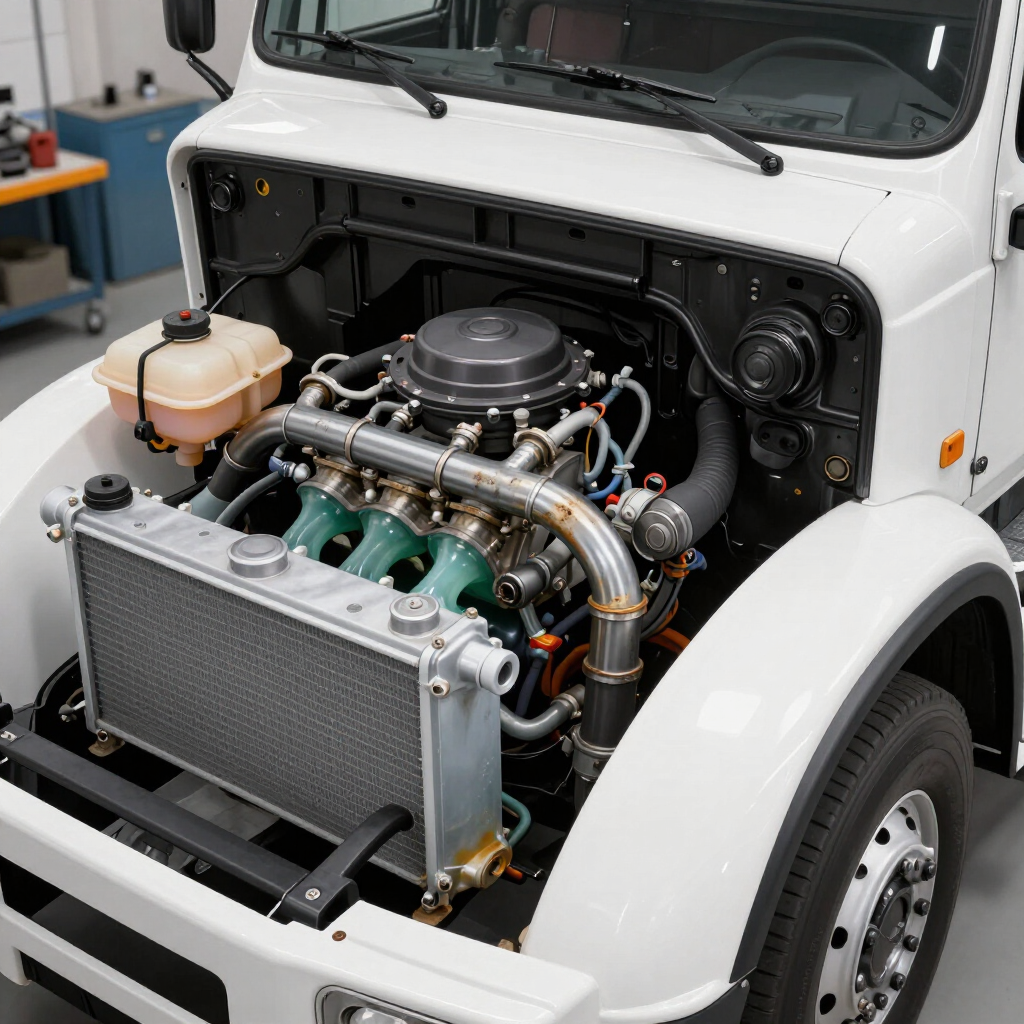
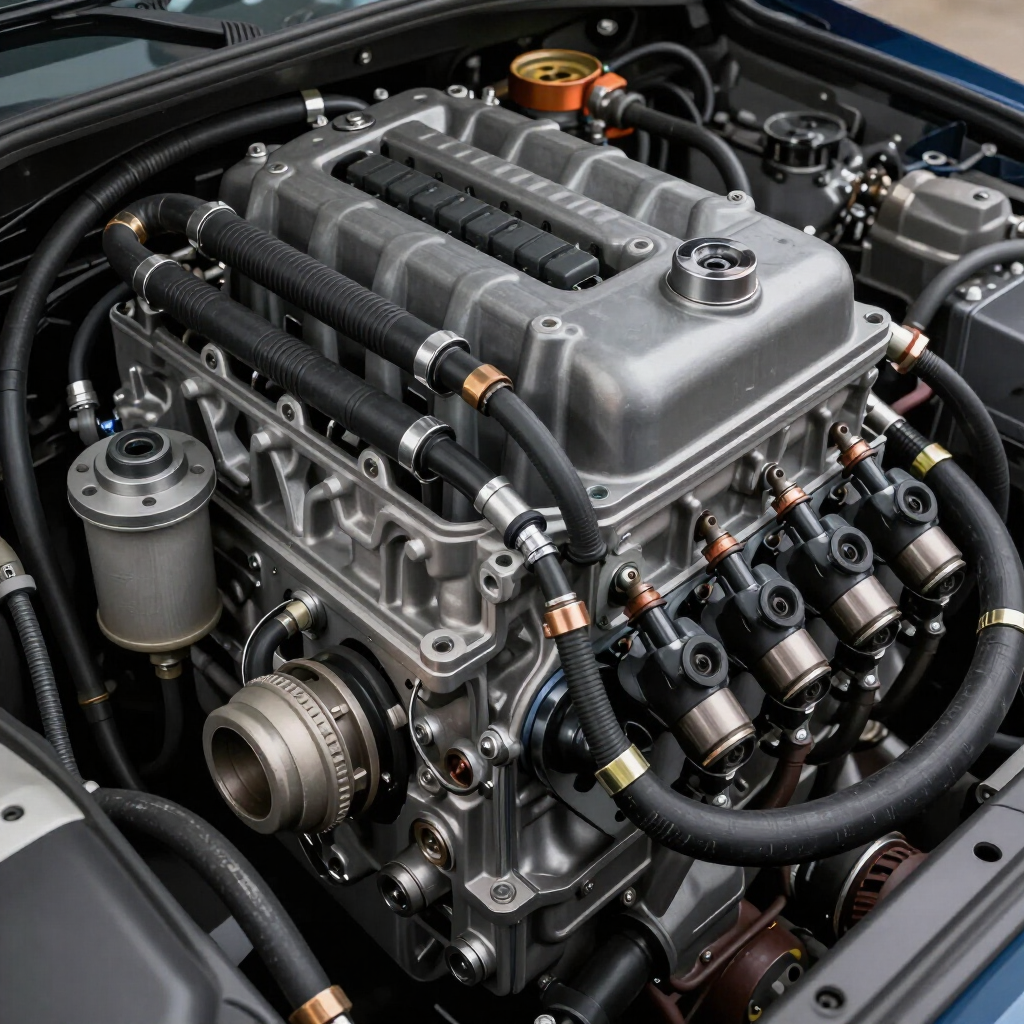
Routine inspections help identify developing issues before they affect vehicle availability. When engine performance problems appear, professional Diesel Repair Services can help diagnose the source of the problem and address necessary repairs before the issue creates additional downtime.
Electrical System Failures
Modern trucks rely heavily on electronic controls and sensors.
Electrical issues may involve:
- Batteries
- Alternators
- Wiring
- Connectors
- Electronic control modules
Many electrical problems begin as minor issues before progressing into larger concerns.
Transmission Issues
Heavy-duty transmissions endure constant stress.
Signs of developing transmission problems may include:
- Delayed shifting
- Rough gear changes
- Fluid leaks
- Unusual noises
Regular inspections can help detect these issues early.
Suspension Wear
Commercial truck suspension systems absorb significant road stress.
Common suspension concerns include:
- Worn bushings
- Damaged springs
- Shock absorber wear
- Alignment issues
Proper suspension maintenance supports both ride quality and vehicle control.
The Role of Preventive Maintenance
Preventive maintenance focuses on identifying and addressing issues before they interfere with daily operations.
Rather than waiting for a breakdown, technicians evaluate critical systems on a scheduled basis. A consistent Truck Maintenance Services schedule can help fleet operators stay ahead of developing mechanical concerns and plan service around operational needs whenever possible.
Key benefits include:
- Improved reliability
- Better equipment performance
- Early issue detection
- More predictable maintenance planning
- Increased confidence during long hauls
Essential Preventive Maintenance Services
Routine Inspections
Inspections provide an opportunity to evaluate critical systems before problems develop.
Technicians commonly inspect:
- Engine components
- Cooling systems
- Fuel systems
- Suspension components
- Brakes
- Tires
- Electrical systems
Commercial vehicle operators can also consult the Federal Motor Carrier Safety Administration for federal information and resources concerning commercial motor vehicle safety, regulations, and compliance.
Fluid Monitoring
Fluids play a critical role in truck performance.
Regular checks include:
- Engine oil
- Coolant
- Transmission fluid
- Differential fluid
- Hydraulic fluids
Proper fluid condition supports reliable operation.
Diagnostic Testing
Modern trucks contain sophisticated electronic systems.
Diagnostic testing helps identify:
- Sensor failures
- Electronic faults
- Performance concerns
- Warning code issues
These evaluations often reveal problems before they become noticeable to drivers.
Tire Inspections
Tires affect safety, handling, and overall vehicle performance.
Routine inspections help identify:
- Uneven wear
- Inflation concerns
- Damage
- Alignment issues
Benefits of Scheduled Maintenance for Fleet Managers
A structured maintenance program helps fleet operators stay organized.
Improved Vehicle Availability
Scheduled maintenance reduces the likelihood of unexpected service interruptions.
Better Planning
Maintenance can be coordinated around operating schedules whenever possible.
Enhanced Driver Confidence
Drivers appreciate dependable equipment that performs consistently.
More Consistent Operations
Reliable trucks support smoother daily operations and route management.
Why Driver Inspections Matter
Drivers spend more time with equipment than anyone else.
Daily inspections often reveal developing concerns before they become serious.
Items Drivers Should Monitor
- Fluid leaks
- Tire condition
- Warning lights
- Unusual noises
- Temperature readings
- Steering concerns
- Brake performance
Prompt reporting allows technicians to investigate issues early.
Montana Conditions Create Additional Challenges
Trucking operations throughout northeastern Montana often encounter:
- Long-distance routes
- Harsh winter weather
- Dusty roads
- Heavy loads
- Remote travel areas
These conditions can accelerate wear on key components and increase the importance of routine maintenance.
Fleet operators serving Glasgow, Wolf Point, Malta, Hinsdale, Nashua, and surrounding communities benefit from regular inspections tailored to local operating conditions. Because breakdowns can still occur even with preventive maintenance, having access to dependable Towing Services can also help operators respond when a truck becomes disabled on the road.
Building a Fleet Maintenance Plan
Every fleet has unique requirements.
A maintenance plan should consider:
Vehicle Usage
Different trucks accumulate wear at different rates.
Manufacturer Recommendations
Service intervals should follow manufacturer guidelines whenever appropriate.
Operating Environment
Road conditions, climate, and route types influence maintenance needs.
Driver Feedback
Driver observations often provide valuable information about developing concerns.
Signs a Truck May Need Service Soon
Fleet managers and drivers should watch for:
- Unusual noises
- Reduced performance
- Fluid leaks
- Dashboard warning lights
- Steering issues
- Excessive vibration
- Temperature fluctuations
Addressing these symptoms early helps support reliable fleet operation.
Frequently Asked Questions
What causes fleet downtime?
Common causes include engine problems, electrical issues, transmission concerns, suspension wear, tire problems, and cooling system failures.
How can preventive maintenance help reduce downtime?
Preventive maintenance helps identify developing issues before they affect vehicle availability and reliability.
How often should fleet vehicles be inspected?
Inspection schedules vary depending on usage, mileage, operating conditions, and manufacturer recommendations.
Why are driver inspections important?
Drivers often notice early warning signs that can help technicians address issues before they become larger problems.
Does Montana weather affect fleet maintenance needs?
Yes. Extreme temperatures, long routes, and changing road conditions can increase wear on commercial trucks.
Keep Your Fleet Ready for the Road with Thompson & Sons Inc.
Reliable trucks are essential for productive fleet operations. Routine inspections, preventive maintenance, diagnostics, and timely repairs help reduce unexpected disruptions and support dependable performance throughout the year.
Thompson & Sons Inc. proudly serves fleet operators, trucking companies, owner-operators, and commercial drivers throughout Glasgow, Wolf Point, Malta, Nashua, Hinsdale, Saco, Valley County, and surrounding Montana communities. Our team provides diesel repair, maintenance, diagnostics, suspension service, transmission repair, towing, and heavy-duty truck support to keep your fleet operating at its best.
Contact Thompson & Sons Inc. today to schedule fleet maintenance services and keep your trucks prepared for every mile ahead.
Recent Posts