
What Causes Diesel Fuel System Failures?
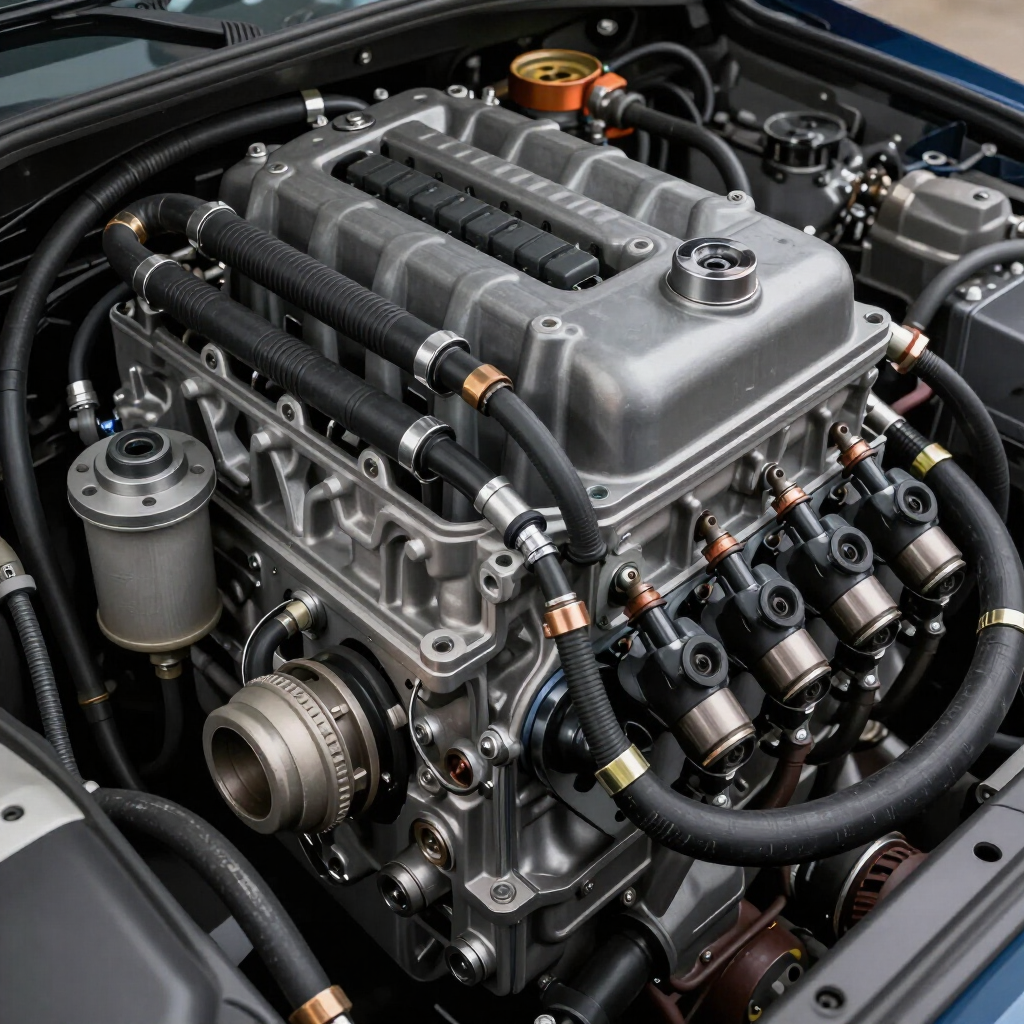
A diesel engine depends on a properly functioning fuel system to deliver the performance and reliability commercial truck operators expect. When fuel system components begin to fail, drivers may notice reduced power, hard starting, rough operation, or other performance issues that can affect productivity and dependability on the road.
Understanding the most common causes of diesel fuel system failures can help truck owners and fleet managers throughout Glasgow, Wolf Point, Malta, Nashua, Hinsdale, Saco, and Valley County identify problems early and keep their trucks operating at peak performance.
Why the Diesel Fuel System Is So Important
The fuel system is responsible for delivering clean, pressurized fuel to the engine at precisely the right time.
Modern diesel engines rely on highly accurate fuel delivery systems that include:
- Fuel tank
- Fuel lines
- Fuel filters
- Lift pump
- High-pressure fuel pump
- Fuel injectors
- Sensors and electronic controls
When one component fails, the entire system can be affected.
Because diesel fuel systems operate under extremely high pressure, even minor issues can impact engine performance.
Contaminated Fuel
Fuel contamination is one of the leading causes of diesel fuel system problems.
Contaminants may include:
- Dirt
- Dust
- Water
- Rust particles
- Debris from storage tanks
When contaminants enter the fuel system, they can damage injectors, pumps, and other critical components.
Common Symptoms
- Hard starting
- Rough idle
- Reduced power
- Engine hesitation
- Increased exhaust smoke
Keeping fuel clean is one of the most important steps in protecting diesel engine performance.
Water in Diesel Fuel
Water contamination can create significant problems for diesel engines.
Sources of water contamination include:
- Condensation inside fuel tanks
- Contaminated fuel storage systems
- Improper fuel handling
- Moisture intrusion
Water can lead to corrosion, fuel injector damage, and poor engine operation.
Warning Signs
- Engine misfires
- Rough running
- Loss of power
- Fuel filter issues
- Difficult starting
Routine fuel system inspections help identify water-related concerns before they affect performance.
Clogged Fuel Filters
Fuel filters protect the engine by trapping contaminants before they reach sensitive components.
Over time, filters naturally collect debris and become restricted.
When this happens, fuel flow may be reduced.
Symptoms of a Restricted Fuel Filter
- Poor acceleration
- Reduced engine power
- Hard starts
- Rough operation
- Stalling
Regular filter replacement is a critical part of diesel engine maintenance.
Fuel Injector Wear
Fuel injectors play a vital role in delivering fuel to the combustion chamber.
Over time, injectors may experience:
- Wear
- Carbon buildup
- Internal damage
- Reduced spray efficiency
Because injectors must deliver fuel with extreme precision, even minor wear can affect engine performance.
Common Signs of Injector Problems
- Rough idle
- Reduced power
- Increased smoke
- Hard starting
- Poor throttle response
Professional diagnostics can help determine whether injectors require cleaning, testing, or replacement.
High-Pressure Fuel Pump Issues
Modern diesel engines depend on high-pressure fuel pumps to deliver fuel efficiently.
When a pump begins to fail, fuel delivery becomes inconsistent.
Potential Causes
- Internal wear
- Contamination
- Poor fuel quality
- Insufficient lubrication
Warning Signs
- Difficulty starting
- Reduced performance
- Engine hesitation
- Warning lights
Prompt diagnosis is important when fuel pump issues are suspected.
Air in the Fuel System
Diesel fuel systems are designed to operate without air intrusion.
When air enters the system, performance problems can occur.
Possible Causes
- Loose fittings
- Damaged fuel lines
- Leaking seals
- Maintenance-related issues
Common Symptoms
- Hard starting
- Engine sputtering
- Rough idle
- Loss of power
Technicians can perform inspections to identify and correct air leaks within the system.
Fuel Line Damage
Fuel lines transport diesel fuel from the tank to the engine.
These lines are exposed to:
- Vibration
- Road debris
- Weather conditions
- Age-related wear
Damaged fuel lines can restrict fuel flow or allow contamination into the system.
Signs of Fuel Line Problems
- Visible leaks
- Fuel odor
- Reduced performance
- Starting difficulties
Routine inspections help ensure fuel lines remain in good condition.
Microbial Growth in Fuel Tanks
One lesser-known cause of diesel fuel system issues is microbial contamination.
Bacteria and fungi can develop in fuel tanks when water is present.
These microorganisms may create:
- Sludge buildup
- Fuel filter blockages
- Corrosion
- Fuel quality issues
Regular tank maintenance and water control help reduce this risk.
Sensor and Electronic Control Problems
Modern diesel engines use electronic controls to regulate fuel delivery.
Faulty sensors can affect system performance even when mechanical components remain functional.
Examples include:
- Fuel pressure sensors
- Temperature sensors
- Flow sensors
- Electronic control modules
Diagnostic testing is often necessary to identify these issues accurately.
The Importance of Fuel Quality
Fuel quality has a direct impact on system reliability.
Using clean, high-quality diesel fuel helps protect:
- Fuel injectors
- Pumps
- Filters
- Electronic controls
Truck operators should work with reputable fuel suppliers and follow proper fuel storage practices whenever possible.
Preventive Maintenance for Diesel Fuel Systems
Routine maintenance is one of the most effective ways to prevent fuel system problems.
Recommended maintenance practices include:
Regular Fuel Filter Replacement
Clean filters help protect sensitive fuel system components.
Scheduled Inspections
Routine inspections can identify wear, leaks, and contamination before they affect performance.
Fuel System Diagnostics
Electronic diagnostics help identify developing issues that may not be visible during visual inspections.
Water Separation Maintenance
Water separators should be checked and serviced regularly to prevent moisture-related damage.
Fuel Tank Monitoring
Inspecting fuel tanks for contamination and moisture helps maintain system health.
Montana Operating Conditions and Fuel System Reliability
Commercial trucks throughout northeastern Montana often operate in challenging environments.
Factors that can affect fuel systems include:
- Extreme cold temperatures
- Long-distance routes
- Seasonal weather changes
- Dust exposure
- Extended operating hours
These conditions make regular fuel system maintenance especially important for reliable performance.
Warning Signs Drivers Should Never Ignore
If you notice any of the following symptoms, professional inspection is recommended:
- Hard starting
- Reduced power
- Rough idle
- Engine hesitation
- Increased exhaust smoke
- Check engine lights
- Unusual fuel consumption patterns
Addressing issues early helps maintain dependable truck performance.
Frequently Asked Questions
What is the most common cause of diesel fuel system failure?
Fuel contamination is one of the most common causes, as dirt, water, and debris can damage pumps, injectors, and other components.
How do I know if my fuel injectors are failing?
Symptoms may include rough idling, reduced power, hard starting, excessive smoke, and poor engine performance.
Can water damage a diesel fuel system?
Yes. Water contamination can cause corrosion, injector damage, fuel quality issues, and microbial growth.
How often should fuel filters be replaced?
Replacement intervals vary based on manufacturer recommendations, operating conditions, and fuel quality.
Why are fuel system diagnostics important?
Diagnostics help identify sensor failures, fuel pressure issues, injector concerns, and other problems that may affect performance.
Keep Your Diesel Fuel System Operating Reliably
Keep your diesel truck running strong with expert maintenance and repair.Contact Thompson & Sons Inc. today to schedule your diesel service.
Recent Posts