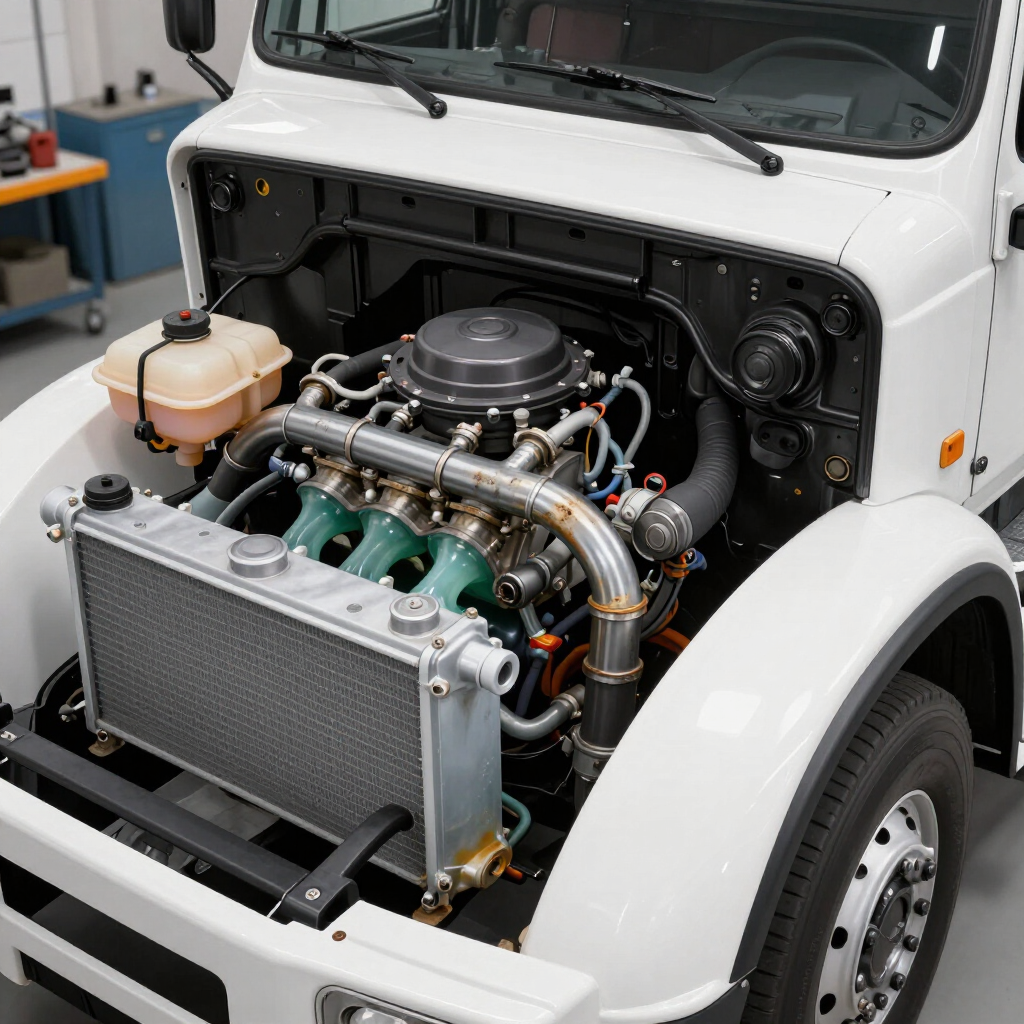
When Should You Rebuild a Diesel Engine Instead of Replacing It?

Diesel engines are built for durability, but even the most reliable heavy-duty engine eventually experiences wear. When performance begins to decline, truck owners often face an important question: should the engine be rebuilt or replaced? The answer depends on the condition of the engine, the truck's overall health, and the extent of the wear or damage.
For owner-operators and fleet managers throughout Glasgow, Wolf Point, Malta, Nashua, Hinsdale, Saco, and Valley County, understanding the signs of engine wear can help ensure trucks remain dependable and road-ready for years to come.
What Is a Diesel Engine Rebuild?
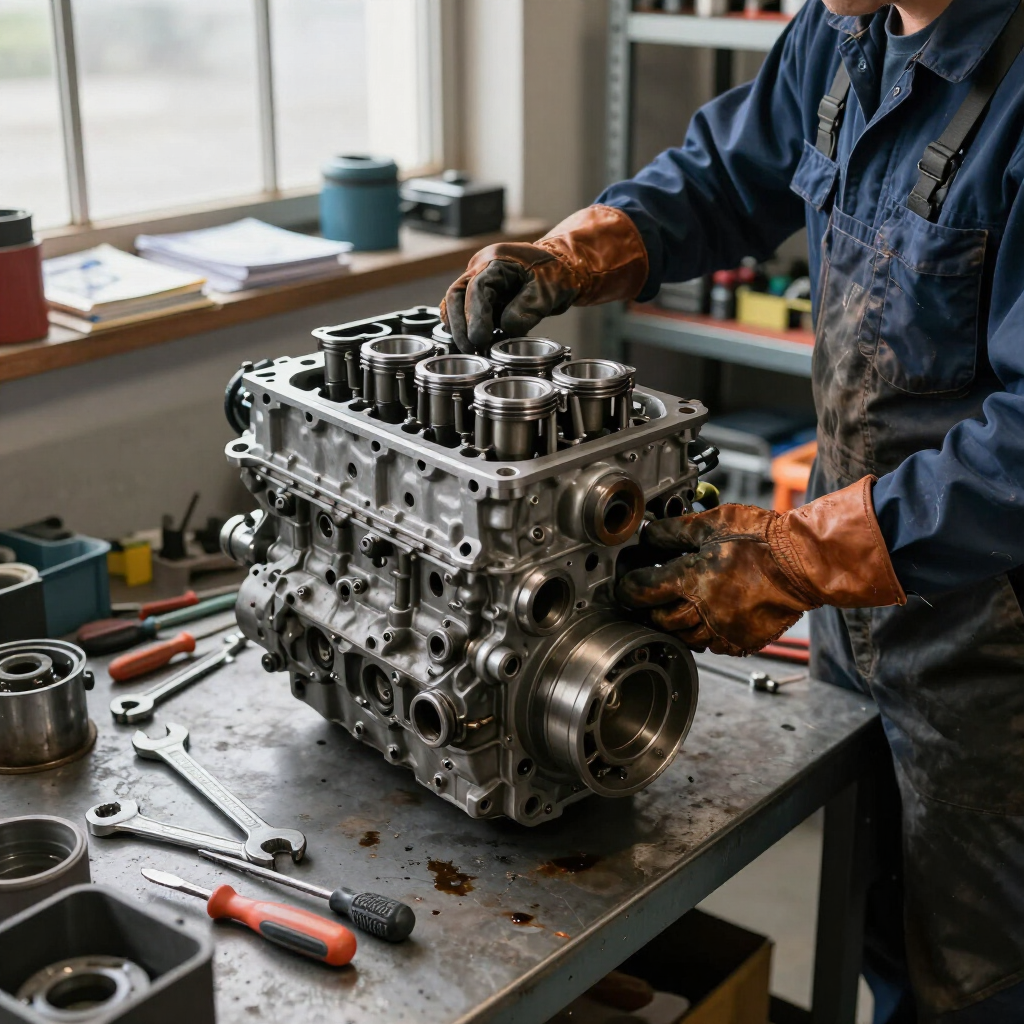
A diesel engine rebuild involves disassembling the engine, inspecting critical components, replacing worn parts, and restoring the engine to proper operating condition.
During a rebuild, technicians may inspect or replace:
- Pistons
- Rings
- Bearings
- Cylinder liners
- Gaskets
- Seals
- Valves
- Camshafts
- Timing components
- Oil pumps
The goal is to restore engine performance, reliability, and longevity without replacing the entire powerplant.
Why Diesel Engines Last So Long
Heavy-duty diesel engines are designed to handle demanding workloads.
With proper maintenance, many commercial diesel engines can accumulate hundreds of thousands of miles while maintaining dependable performance.
Factors that contribute to diesel engine longevity include:
- Strong internal components
- Lower operating RPMs
- Durable engine blocks
- Robust cooling systems
- Heavy-duty lubrication systems
However, even durable engines experience wear over time.
Common Signs Your Engine May Need a Rebuild
While every engine ages differently, there are several indicators that internal wear may be affecting performance.
Excessive Exhaust Smoke
Changes in exhaust color can signal internal engine issues.
Common examples include:
- Blue smoke
- White smoke
- Excessive black smoke
Persistent smoke often indicates that engine components require further inspection.
Loss of Power
An engine that struggles to maintain performance under load may have internal wear affecting combustion efficiency.
Drivers may notice:
- Slower acceleration
- Reduced pulling power
- Difficulty climbing grades
- Poor throttle response
Increased Oil Consumption
If an engine requires frequent oil additions between service intervals, worn internal components may be allowing oil to enter the combustion process.
Low Compression
Compression is essential for proper diesel engine operation.
Loss of compression can result in:
- Hard starts
- Rough running
- Reduced power
- Increased smoke
Compression testing is often used to evaluate overall engine condition.
Metal Contamination in Oil
Routine oil analysis may reveal excessive metal particles.
This can indicate wear involving:
- Bearings
- Pistons
- Cylinder walls
- Valve train components
Oil analysis is an effective way to monitor engine health over time.
Situations Where a Rebuild May Be Appropriate
Not every aging engine requires complete replacement.
In many cases, a rebuild can restore reliable performance when:
The Engine Block Remains Sound
If the engine block is structurally healthy, rebuilding internal components may be a practical solution.
The Truck Is Otherwise in Good Condition
Many operators choose a rebuild when the rest of the truck remains dependable and capable of continued service.
Performance Has Gradually Declined
Gradual wear often makes engines good candidates for rebuilding because the damage is generally confined to serviceable components.
Maintenance History Is Strong
Engines that have received regular maintenance often respond well to rebuilding.
Signs an Engine Requires Immediate Inspection
Certain symptoms should never be ignored.
These include:
Knocking Sounds
Engine knocking may indicate serious internal wear.
Sudden Power Loss
A rapid decline in performance often warrants immediate diagnosis.
Excessive Blow-By
Blow-by occurs when combustion gases escape past worn piston rings.
Visible crankcase pressure can indicate significant internal wear.
Repeated Overheating
Frequent overheating can damage critical engine components and accelerate wear.
The Importance of Engine Diagnostics
Before recommending a rebuild, technicians typically perform comprehensive diagnostics.
Common diagnostic procedures include:
- Compression testing
- Leak-down testing
- Oil analysis
- Electronic diagnostics
- Cooling system evaluation
- Fuel system inspection
These tests help determine the actual condition of the engine and identify underlying issues.
Components Often Evaluated During a Rebuild
Every rebuild is unique, but technicians commonly inspect:
Cylinder Head Components
- Valves
- Valve seats
- Springs
- Guides
Rotating Assembly
- Pistons
- Connecting rods
- Crankshaft
- Bearings
Lubrication System
- Oil pump
- Oil passages
- Seals
Fuel System Components
- Injectors
- Fuel delivery systems
A thorough inspection ensures all worn components are properly addressed.
How Preventive Maintenance Extends Engine Life
The best way to delay major engine work is through routine maintenance.
Key services include:
Regular Oil Changes
Clean oil reduces internal wear and protects moving components.
Cooling System Maintenance
Proper cooling helps prevent overheating and excessive thermal stress.
Air Filter Replacement
Clean air supports efficient combustion and reduces contamination.
Fuel System Service
Maintaining injectors and fuel filters helps ensure proper fuel delivery.
Routine Inspections
Regular inspections help identify small issues before they affect engine performance.
Montana Conditions and Engine Wear
Commercial trucks operating throughout northeastern Montana face unique challenges.
Common conditions include:
- Long-haul routes
- Extreme seasonal temperatures
- Dusty roadways
- Heavy loads
- Extended operating hours
These factors can accelerate wear if maintenance is neglected.
Regular inspections become especially important for trucks operating in these demanding environments.
Warning Signs Drivers Should Monitor
Drivers are often the first to notice developing engine problems.
Pay attention to:
- Increased exhaust smoke
- Hard starting
- Rough idle
- Reduced power
- Abnormal noises
- Oil consumption changes
- Warning lights
Reporting concerns early can help technicians identify issues before they become more severe.
Frequently Asked Questions
What is a diesel engine rebuild?
A diesel engine rebuild involves replacing worn internal components and restoring engine performance while retaining the original engine block when possible.
How do I know if my engine needs a rebuild?
Common signs include excessive smoke, loss of power, high oil consumption, low compression, and abnormal engine noises.
Can diagnostics determine if a rebuild is needed?
Yes. Compression tests, oil analysis, leak-down testing, and electronic diagnostics help evaluate engine condition.
Does preventive maintenance help avoid major engine repairs?
Regular maintenance helps reduce wear and allows technicians to identify developing issues early.
Why are diesel engines known for longevity?
Diesel engines are built with heavy-duty components designed to withstand demanding operating conditions and long service intervals.
Keep Your Diesel Engine Performing at Its Best
A well-maintained diesel engine can provide years of dependable service, but understanding the signs of internal wear is essential for protecting reliability and performance. Routine inspections, diagnostics, and preventive maintenance help identify concerns early and keep trucks operating efficiently.
Thompson & Sons Inc. proudly provides diesel engine diagnostics, maintenance, repair, towing, suspension service, transmission work, and heavy-duty truck support throughout Glasgow, Wolf Point, Malta, Nashua, Hinsdale, Saco, Valley County, and surrounding Montana communities.
Contact Thompson & Sons Inc. today to schedule a professional diesel engine inspection and keep your truck ready for the road ahead.
Recent Posts